
Dental Implants in Concord: What Can Change the Plan

by Dr. Azadeh Hosseini
November 27, 2026

If you are thinking about replacing a missing tooth, the first question is often not how the implant is placed, it is what could change the plan before treatment even starts. That usually means looking at bone support, gum health, bite forces, medical history, and how the replacement tooth needs to fit with the rest of your mouth.
At Top Concord Dental, Dr. Azadeh Hosseini uses the first visit to sort out those details before anyone talks about a timeline. The team reviews your tooth and jaw with the same care they use for all planning, and the implant service page gives a useful overview of what the treatment involves: dental implants.
That matters because two people can be missing the same tooth and still need different steps. One patient may be ready for implant placement after an exam, while another may need extra treatment first, such as gum care or bone grafting, depending on what the mouth shows that day.
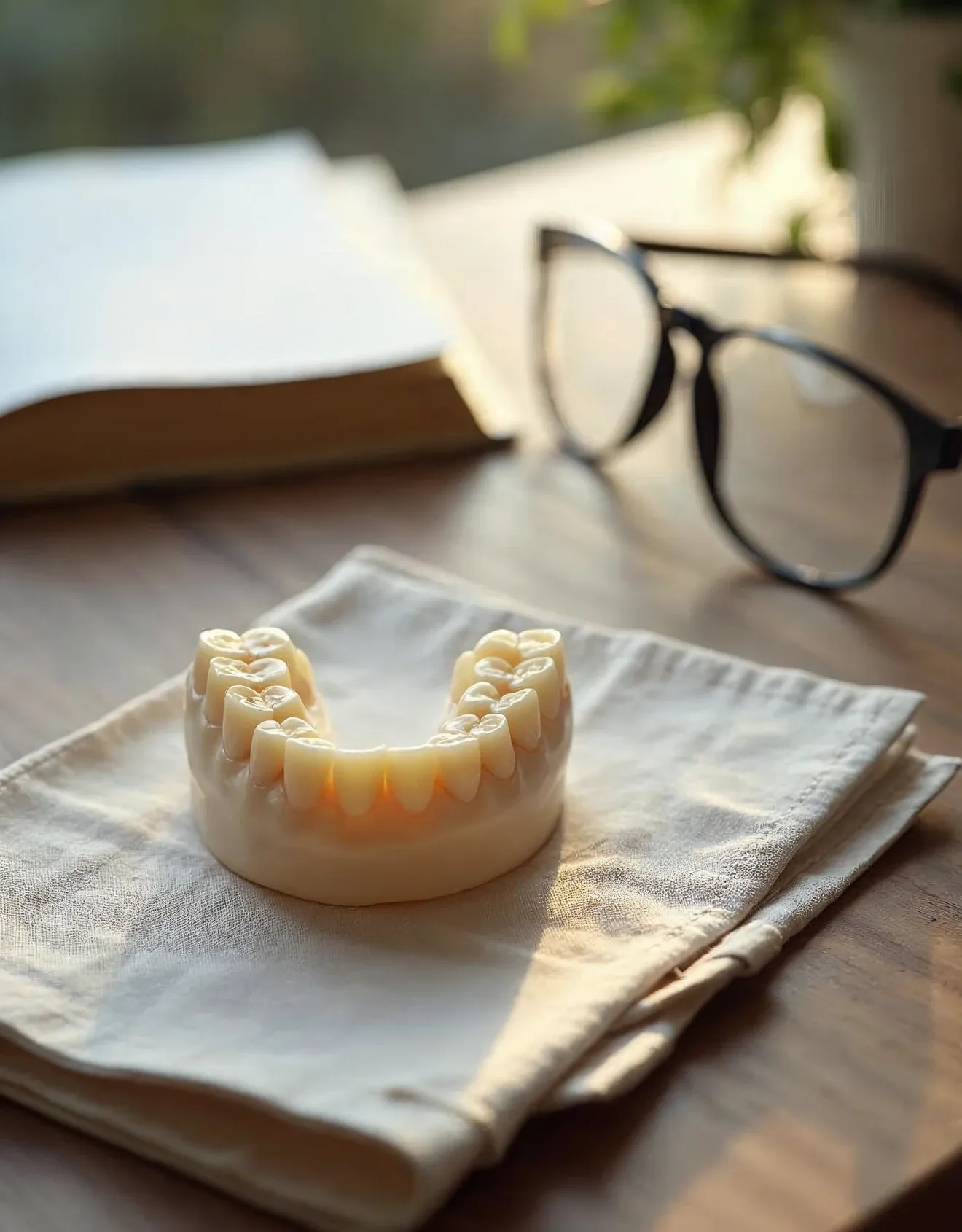
What changes implant planning most often
Bone height and width are usually the first things that shape the plan. If a tooth has been missing for a while, the jawbone in that spot can shrink, and the implant may need more support before it can be placed. That is one reason a bone grafting visit may come up in the discussion.
Gum health is another factor. Active gum disease can affect the tissues around an implant, so the dentist looks for bleeding, pocketing, and areas of inflammation before moving ahead. The bite also matters, since heavy pressure from clenching or grinding can change how the final tooth is designed and where the implant can safely go.
At the exam, Dr. Hosseini checks the space for the tooth, nearby teeth, and the quality of the gum and bone in the area. The team can also help gather records, explain each step, and answer questions about timing so your plan is based on what is actually in your mouth, not on guesswork.
Dental implant planning starts with the site, not the post
People often picture the implant itself first, but the site around it determines much of the plan. The dentist needs enough bone to anchor the implant and enough room for the restoration to line up with nearby teeth. If the missing tooth is in the front of the mouth, the appearance of the gumline and the shape of the final crown can matter as much as the support underneath it.
That is why the exam usually includes a close look at the tooth history. A tooth lost to infection, trauma, or long-term decay can leave the jaw in very different condition than a tooth removed recently. Our earlier post, Who Is a Good Candidate for Dental Implants in Concord?, covers some of the common reasons a tooth cannot be saved and why replacement planning begins there.
When extra procedures may enter the plan
Some implant plans stay simple. Others include one or more added steps before placement or before the final crown can be attached. Those added steps are not a failure of the plan, they are part of matching the treatment to the mouth in front of the dentist.
Common changes include:
- Bone grafting when the jaw is too narrow or too short for stable placement
- Tooth extraction when the damaged tooth is still present
- Temporary tooth replacement while the area heals
- Gum treatment if inflammation or periodontal disease is present
- A different restoration shape if the bite or smile line needs more room
These steps are considered at the consultation, and the exam helps determine which ones apply. Some patients only need a standard implant plan. Others need time for healing before the site is ready, especially when bone or gum tissue has changed after a tooth was lost.
How the consultation changes timing
Timing is often one of the biggest surprises for patients. A dentist may see that the area needs time to heal after extraction, or that a graft needs time before the implant site is ready. In other cases, the tooth replacement can be planned sooner because the bone and gums are in good shape.
If an implant is being considered after a recent extraction, the office may discuss a sequence of visits rather than a single procedure. That staged approach is also common when the final tooth needs to look natural in a visible part of the smile. The plan is built around what the jaw can support and what the surrounding teeth need for a balanced result.
Insurance and coverage can affect the conversation
Insurance does not usually decide whether an implant is clinically appropriate, but it can affect how treatment is organized and documented. Some plans may cover parts of the process differently, such as exams, imaging, extraction, grafting, or the restoration that attaches to the implant. Others may treat implant care as a separate benefit category, so the office needs to review the plan details carefully.
This is why patients often ask about benefits early in the process. The treatment team can help verify what information the insurance company needs, which steps are likely to be listed separately, and whether related care falls under restorative, surgical, or preventive coverage. For broader context on how implant care fits into the field, the American Dental Association overview on dental implants explains the role of planning, healing, and restoration in accepted implant treatment.
Patients also ask how implant planning fits with other tooth replacement options. A bridge may work well when the neighboring teeth already need crowns, since those teeth are reshaped to hold it, while a denture may be used when several teeth are missing. Our service page on dentures and partial dentures is useful when you want to compare the shape of the treatment plan, even before deciding on a final path.
Medical history and daily habits matter too
Some changes in implant planning come from health history rather than the mouth alone. Diabetes, certain immune conditions, and medications that affect healing can change how the dentist schedules treatment or coordinates care. Smoking also affects healing around implant sites, so it is part of the discussion when the team reviews risk factors and timing.
Daily habits matter as well. Nighttime grinding, a strong bite, or a history of clenching can affect the forces placed on the implant and the final crown. When those factors are present, the dentist may change the shape of the restoration or add a protective step during planning. None of this is decided from a phone call. It comes from the exam and the records gathered in the office.
Patients sometimes compare implant planning with other restorative work, such as crowns or bridges. If you want to see how broader restorative care is organized at the practice, the restorative dentistry page shows how replacement and repair options fit together under one treatment plan.
What to expect from a planning visit
The planning visit is where details become a treatment sequence. Dr. Hosseini looks at the missing tooth area, takes the needed images, checks neighboring teeth, and listens to what matters most to the patient, whether that is chewing comfort, appearance, or keeping the timeline manageable. From there, the office can talk through the steps that fit the exam findings.
That visit may also uncover smaller issues that are easy to miss without a close look, such as a tooth next to the space that needs a crown first, or a gum area that needs attention before implant work begins. For patients who want more background on the first appointment itself, our sister practice Top Pinole Dental in Pinole has a helpful implant page that explains how implant care is organized from the start.
When the plan is clear, the team can explain what happens first, what healing time may be involved, and where the final tooth fits into the sequence. That is the part patients usually want most, because it turns a general idea into a real path forward.
Planning Factors at a Glance
These are the most common things that can change an implant plan, and what each one usually affects during consultation.
Bone support
May affect whether grafting is discussed before placement
Gum health
Can change timing if inflammation or periodontal disease is present
Tooth history
Recent extraction, infection, or long-term loss can shape the sequence
Bite and grinding
May change the restoration design or call for extra protection
Insurance details
Can affect how the office reviews benefits and organizes paperwork
Medical history
May influence healing time, coordination, and follow-up planning

“The implant itself is only part of the plan, the bone, gums, bite, and health history decide how the rest comes together.”
FAQ
Still have a Question? Contact Us
No. Bone grafting is only discussed when the jaw does not have enough support for the implant site. The exam and imaging determine whether the area is ready as it is or needs another step first.
Yes. Once the dentist sees the x-rays, the gums, and the bite in detail, the plan may be adjusted. That can change the timing, the number of visits, or the type of restoration being discussed.
Insurance usually affects the administrative side of care more than the clinical decision. The office can review what may be covered, how related services are coded, and which parts of treatment are handled separately.
The longer a tooth has been missing, the more likely the bone in that area has changed shape. That can affect whether the site needs grafting or a staged approach before the implant is placed.
Grinding can change how the implant restoration is designed and monitored. The dentist factors that force into the plan so the final tooth fits the bite more predictably.
Conclusion
Implant planning depends on the condition of the bone, gums, neighboring teeth, bite, and health history. That is why two people can ask about the same missing tooth and still leave with different treatment paths. The exam sets the plan, and the plan sets the timing.
For some patients, the visit leads to a straightforward implant discussion. For others, it brings up grafting, extraction, or another restorative option that better fits the mouth as it is today. The next post in this series looks at your first implant visit and what happens when you sit down with the team.
To talk through your options with Top Concord Dental and Dr. Azadeh Hosseini, contact the practice through the contact page.
More in this series
Disclaimer
This media/content or any other on this website does not prescribe, recommend, or prevent any treatment or procedure. Therefore, we highly recommend that you get the advice of a qualified dentist or other medical practitioners regarding your specific dental condition.