
How Long Does a Temporary Denture Last?

by Dr. Azadeh Hosseini
November 13, 2026

If you are wearing a temporary denture, you may already be noticing small changes in how it fits from day to day. This post answers a simple question patients ask at Top Concord Dental in Concord, CA, how long a temporary denture usually lasts and why that timeline varies.
A temporary denture is made to fill a gap during healing or before a permanent tooth replacement is ready. The plan depends on the mouth it is supporting, and the timing is guided by Dr. Azadeh Hosseini after an exam, x-rays, and a look at how the tissues are changing. You can see our approach to replacement care on the dental implants page.
For many people, the real question is not just how long the denture lasts, but how long it stays comfortable enough to use each day. That answer depends on healing, adjustments, and how well the denture is cared for at home.
What a temporary denture is meant to do
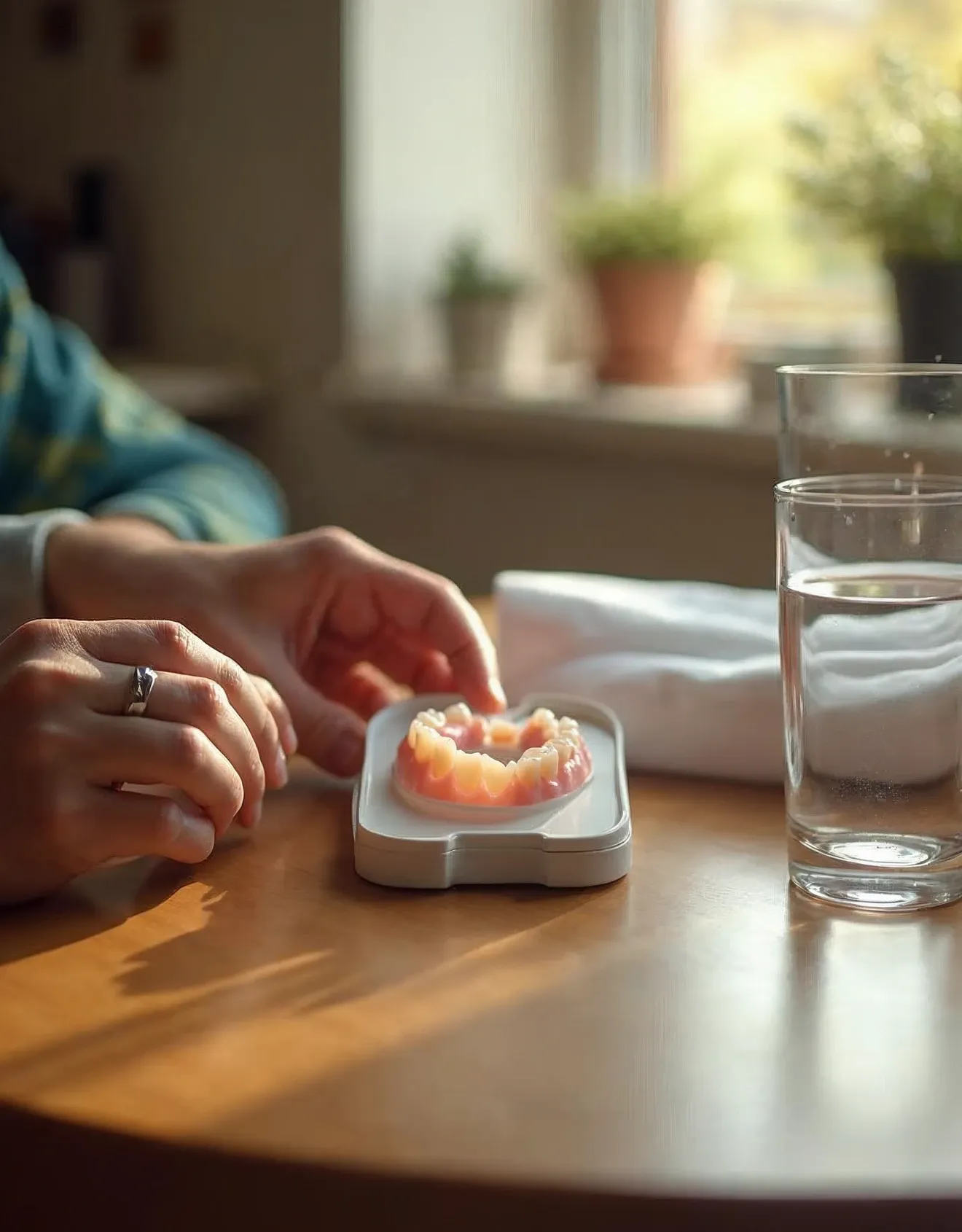
A temporary denture is an interim appliance, which means it is designed to help during a transition. It may be used right after an extraction, during implant healing, or while a more permanent prosthetic plan is being completed. The fit can change as swelling goes down and the gums begin to reshape.
Most temporary dentures are not built for long-term wear without follow-up. Some stay in use for a few weeks, and others remain part of the plan for several months. The exact window depends on the treatment sequence, the number of teeth being replaced, and how the mouth responds after surgery or extractions.
Dr. Hosseini looks at tissue healing, bite contact, and any pressure spots during the exam, then the team checks whether the denture still matches the mouth as it changes. If you want to read more about the home side of care, our post on how to clean and care for your dentures properly covers the basics that protect fit and comfort between visits.
How long a temporary denture usually lasts
There is no single number that fits every patient. A temporary denture may last long enough to get through early healing after tooth loss, or it may remain in use until the jaw and gums are ready for a more permanent restoration. In many cases, the denture is checked and adjusted several times during that period.
The American Dental Association notes that dentures are removable appliances used to replace missing teeth, and they often need periodic adjustment as the mouth changes over time. That change happens faster with a temporary denture because healing tissue is still settling. You can read the public reference here: https://www.mouthhealthy.org/all-topics-a-z/dentures.
The practical answer is that the denture lasts as long as it fits the treatment plan. Once the gums, bone, or implant sites are ready, the dentist will decide whether the temporary denture should be replaced, remade, or moved out of daily use.
Why fit changes so quickly at first
The first phase after extraction or surgery is when a temporary denture is most likely to feel different from one week to the next. Swelling can go down, stitches may come out, and the gum shape can soften as it heals. A denture made for an early stage may feel looser later even when nothing is wrong with it.
Small fit changes are expected because the appliance is following a moving target. That is why follow-up visits matter. A minor adjustment may be enough to reduce rubbing, improve the seal, or steady the bite while the mouth continues to heal.
- Swelling decreases, so the denture may feel looser.
- Gums reshape, which changes the contact points.
- Bite pressure shifts, especially when more than one tooth is missing.
- Use and cleaning can affect how smooth the fit feels.
- Healing time changes the timeline more than the calendar does.
Patients who are preparing for implant-supported replacement often notice this most clearly. Our dentures and partial dentures page explains the general types of removable replacement options used in practice.
What shortens or extends the life of the denture
How long a temporary denture stays useful depends on a few concrete factors. The first is the healing process itself. If tissue settles quickly, the appliance may need attention sooner. If healing is gradual, the temporary denture may stay in use longer while the tissues stabilize.
Another factor is how often the denture is worn and how it is handled. A denture that is stored carefully, cleaned as directed, and brought in for timely checks is easier to keep functional during the transition. A denture that is dropped, warped, or allowed to develop pressure spots may need earlier repair or replacement.
The treatment goal matters too. Some patients are moving toward dental implants, while others are waiting for a bridge, another removable appliance, or a surgical step to be completed. If you are reading this as part of a broader plan, our related post on dentures vs dental implants pros cons and costs helps explain why those paths use different timelines.
Signs the temporary denture may need an earlier check
A temporary denture does not usually fail all at once. More often, it starts giving small signals that the fit has changed. Some of these signs mean the appliance needs an adjustment, while others point to normal healing that has moved the mouth into the next stage of treatment.
Common reasons for an earlier visit include:
- new rubbing or sore spots on the gums
- clicking or movement when speaking
- food getting trapped in places that were not a problem before
- a bite that feels higher on one side
- visible looseness when smiling or chewing
- cracks, chips, or wear in the denture base
If any of these show up, the office can tell whether the issue is a simple adjustment or a sign that the treatment timeline has moved ahead. People often wait too long because the denture still looks fine from the outside, but inside the mouth the fit can already be changing.
How home care affects how long it stays usable
Home care does not make a temporary denture permanent, but it does affect how long it remains comfortable and stable between visits. Cleaning removes debris that can contribute to odor, surface wear, and irritation. Careful handling also lowers the chance of accidental damage during removal or storage.
Nighttime storage matters when the appliance is meant to be removed overnight. The denture should be kept in a way that avoids drying out, warping, or heat damage. With a busy schedule, the most helpful routine is usually the one that can be done consistently every day without guesswork.
Patients sometimes ask if a temporary denture can bridge the gap until a permanent option is ready. In some plans, yes, but only if the fit and the healing stage still support that use. Our sister practice, Top Pinole Dental in Pinole, explains the first steps in removable replacement care on its dentures and partial dentures page, which can be useful if you want a second look at how these appliances are commonly planned.
When the dentist decides it is time for the next step
A temporary denture stays in use only until the next stage is ready. That may mean a final denture, an implant restoration, a fixed bridge, or another option that matches the mouth after healing. The timing is based on an exam, not on a preset date on the calendar.
During that visit, the dentist checks gum shape, bone healing, bite alignment, and the condition of the temporary denture itself. If the mouth is ready, the next step can be mapped out. If it is not, the temporary denture may stay in use a little longer with changes along the way.
That is usually the clearest answer of all. A temporary denture lasts as long as it serves the plan safely and comfortably, and the office decides when the permanent option can begin.
Temporary Denture Timeline
These quick points show what usually affects how long a temporary denture stays in use and when the next step is often considered.
Early healing
Swelling and tissue changes can make the fit change fast.
Adjustments
Small changes at follow-up visits can keep the denture usable.
Home care
Cleaning and careful storage help protect comfort and shape.
Treatment plan
Implants, bridges, or final dentures set the overall timeline.
Exam findings
Dr. Hosseini decides when the mouth is ready for the next stage.

“A temporary denture lasts only as long as the healing and the treatment plan still support its fit.”
FAQ
Still have a Question? Contact Us
They can last for a few weeks or for several months, depending on healing and the treatment plan. The dentist decides the timeline after checking how the mouth is changing.
That often happens because swelling has gone down or the gums have begun to reshape. A loose fit is common during healing and usually needs a follow-up check.
Sometimes, yes, if the fit remains acceptable and the treatment plan allows it. Some patients use the temporary appliance while waiting for implants, while others move to a different option sooner.
Rubbing can mean a pressure spot or a change in the way the denture sits. The office can check whether a simple adjustment will help or whether the fit has changed more than expected.
It needs careful cleaning and safe storage so it keeps its shape and stays comfortable. Regular care helps reduce odor, wear, and accidental damage between visits.
Conclusion
A temporary denture does not have one fixed lifespan. It stays in use for as long as it fits the healing stage, the bite, and the next step in the treatment plan. For some patients that is a short bridge between appointments, and for others it is part of a longer transition while the mouth gets ready for a more permanent restoration.
If your temporary denture feels different, that does not always mean something is wrong. It often means the mouth has changed and the plan needs another look. The next post in this series covers interim dentures and what happens after an extraction.
To talk with Top Concord Dental, contact our office. Dr. Azadeh Hosseini and the team can check the fit, review the healing timeline, and discuss what comes next.
More in this series
Disclaimer
This media/content or any other on this website does not prescribe, recommend, or prevent any treatment or procedure. Therefore, we highly recommend that you get the advice of a qualified dentist or other medical practitioners regarding your specific dental condition.