
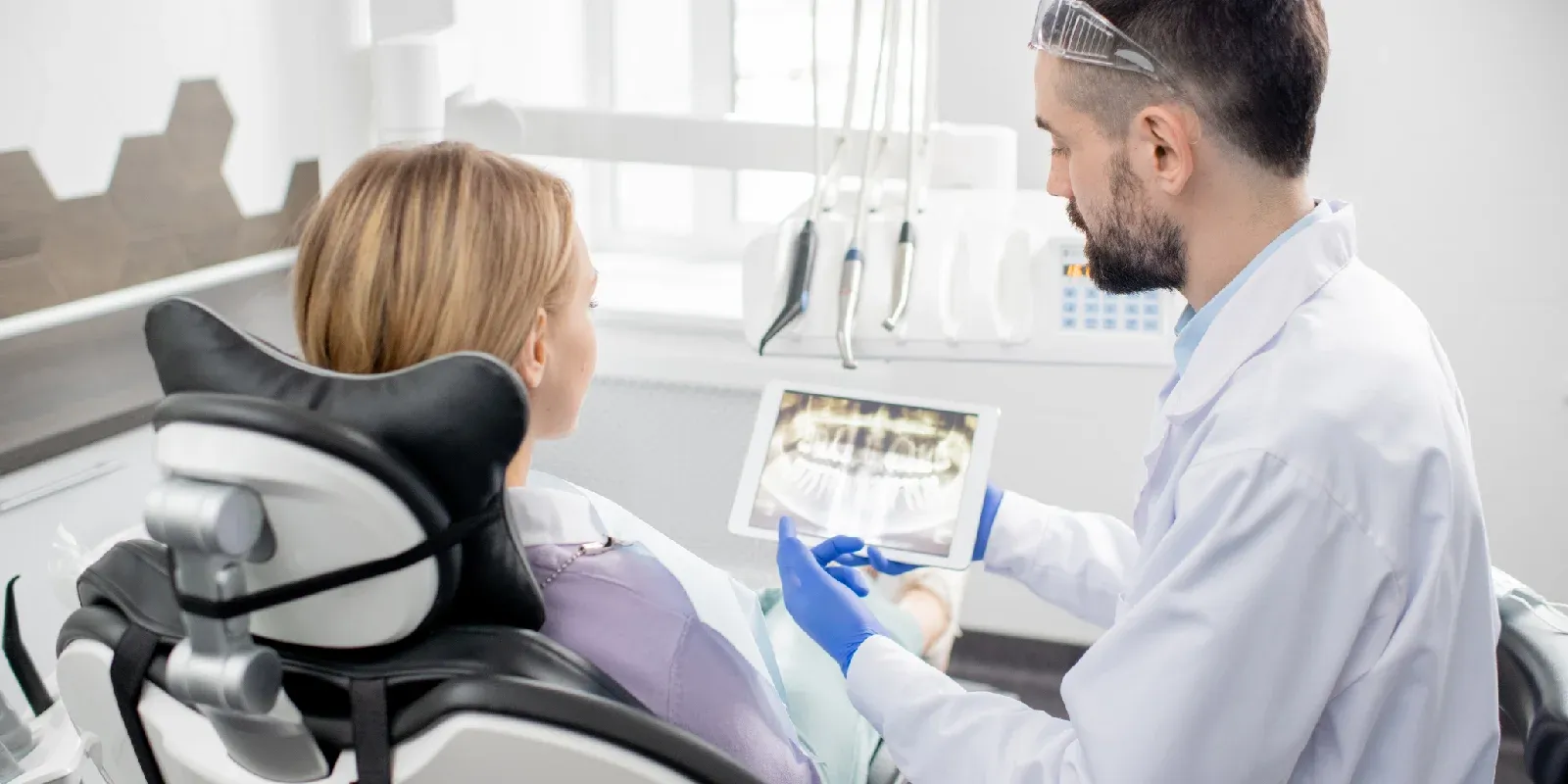
Am I a Good Candidate for Dental Implants?

Dr. Azadeh Hosseini
September 14, 2026
If you have been living with a missing tooth, you may be wondering whether a dental implant could provide a stable, natural-looking replacement. Dental implants are designed to support replacement teeth from within the jawbone, helping restore both appearance and everyday function. However, the decision involves more than simply filling an empty space. Your gums, bone support, overall health, oral hygiene habits, and the location of the missing tooth all play a role in treatment planning. Understanding these factors can help you approach an implant consultation with realistic expectations and better questions.
For patients considering Concord Dental Implants, the first step is usually a detailed dental evaluation. Some people may be ready for treatment, while others may need existing dental concerns addressed before moving forward. The purpose of this evaluation is not simply to decide “yes” or “no,” but to understand what will support a predictable and healthy result. Dental imaging, examination of the gums and remaining teeth, and a review of your health history can help your dentist determine the safest and most appropriate path for replacing a missing tooth.

What Dentists Look For Before Recommending Implants
Dentists typically assess the condition of your gums, available jawbone, bite, nearby teeth, and overall oral health before recommending implant treatment. They also review your medical history and daily habits because healing and maintenance matter after placement. Strong implant planning is based on the entire mouth, not just the missing tooth, which helps reduce avoidable complications and supports long-term function.
Healthy Gums and Bone Create the Foundation
The tissues supporting an implant need to be healthy enough to provide stability and allow proper healing. Dentists look for active gum disease, infection, untreated decay, and changes in the jawbone that may affect placement. Dental imaging can help show how much bone is available and where important anatomical structures are located.
If a concern is found, it does not always mean implant treatment is off the table. In some situations, existing dental problems can be treated first, or the implant plan can be adjusted to better match the condition of the area. The goal is to create a healthy foundation before moving forward rather than rushing directly into treatment.
Health, Healing, and Daily Habits Matter Too
Your general health can influence how well your mouth heals after dental procedures. Dentists may ask about medical conditions, medications, previous surgeries, and any history of delayed healing. This information helps them plan treatment more carefully and identify factors that may require coordination with another healthcare provider.
Smoking is another important consideration because it can interfere with healing and affect the tissues surrounding an implant. Oral hygiene habits also matter over the long term. An implant cannot develop a cavity, but the surrounding gums and bone can still become unhealthy if plaque is not controlled.
Your Concord Dentist may also evaluate how your teeth come together when you bite. Excessive forces, clenching, or grinding can influence implant planning because they affect how pressure is distributed. Together, these factors help determine not only whether implant treatment can be performed, but also how the restoration should be designed and maintained over time.
“Good oral health supports speaking, chewing, swallowing, and smiling, making healthy teeth and supporting tissues important before restorative dental treatment.”
What Dentists Evaluate Before Implant Treatment
| Factor | Why It Matters |
|---|---|
| Gum health | Helps maintain healthy tissues around the implant |
| Bone support | Provides a stable foundation |
| Bite forces | Affect implant position and restoration design |
| Medical history | Helps guide healing and treatment planning |
| Oral hygiene | Supports long-term gum and bone health |
| Nearby teeth | Influence spacing and restorative planning |
When Extra Planning May Be Necessary
Bone changes are common after a tooth has been missing for some time. Without the stimulation previously provided by the tooth root, the jawbone in that area may gradually change in shape or volume. Dental imaging helps your dentist understand whether enough bone remains for implant placement and whether additional planning may be needed. The location of the missing tooth also matters because front teeth, premolars, and molars experience different functional and aesthetic demands.
The surrounding teeth are evaluated as well. Their condition, position, and relationship to the bite can influence implant placement and restoration design. Dr. Azadeh Hosseini at Top Concord Dental can review these details together with your smile goals to explain whether an implant, bridge, or another replacement option may make the most sense. This allows the decision to be based on function, appearance, health, and long-term maintenance rather than the missing tooth alone.
FAQ
Still have a Question? Contact Us
Possibly. Dental imaging can show how much bone remains and whether additional planning is needed before treatment.
Conclusion
Dental implants can be an effective way to replace missing teeth, but successful treatment depends on having a healthy and well-planned foundation. Gum health, jawbone support, general health, bite forces, lifestyle habits, and daily oral care all influence the treatment process. Some patients can move forward directly, while others may benefit from additional care first. For people exploring Dental Implants in Concord, CA, a detailed examination can clarify what is needed and whether implants fit their oral health and long-term goals.
Contact your dentist in Concord, CA at Top Concord Dental today to learn more about good candidate for dental implants
Resource:
Disclaimer
This media/content or any other on this website does not prescribe, recommend, or prevent any treatment or procedure. Therefore, we highly recommend that you get the advice of a qualified dentist or other medical practitioners regarding your specific dental condition.