
Sleeping with Dentures Is It Safe or Not

by Dr. Azadeh Hosseini
December 5, 2025

Dentures restore a person’s ability to chew, speak, and smile with confidence. However, many denture wearers wonder whether keeping them in overnight is safe or beneficial. The question is it okay to sleep with dentures arises frequently, especially among new users who may feel insecure without them. Understanding what happens when you sleep while wearing dentures, and how it affects oral tissue health, is essential for maintaining comfort and hygiene over time.
Understanding the Role of Dentures
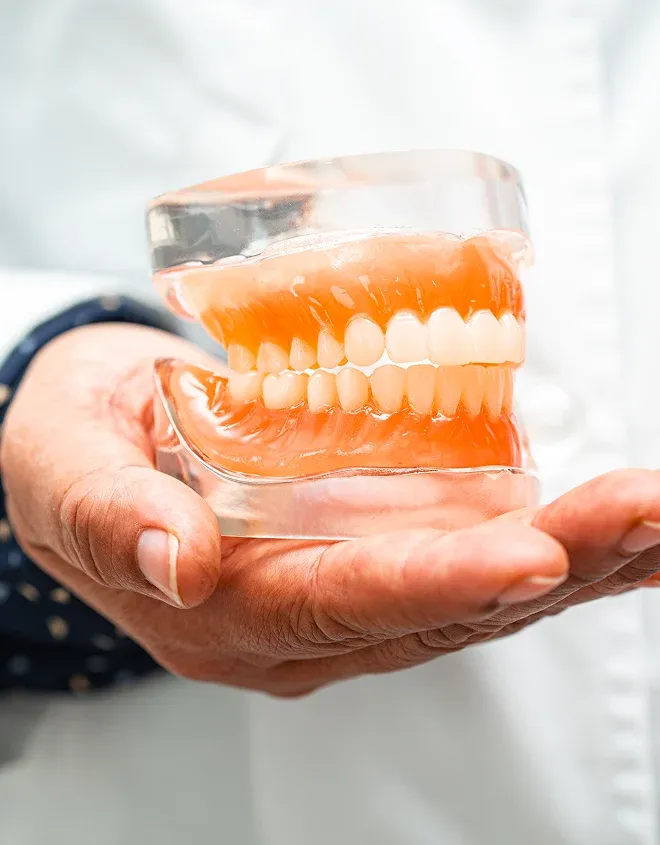
Dentures serve as removable replacements for missing teeth, helping restore normal oral function. They rest directly on the gums and the underlying alveolar ridge, which supports the artificial teeth. During the day, they perform under constant chewing forces and temperature changes. At night, however, the mouth needs time to recover from this pressure.
When people ask can I sleep with my dentures in, it is important to consider how the mouth behaves when at rest. Just as muscles and joints recover after daily activity, the soft tissues of the mouth benefit from periods without pressure. This allows blood circulation to normalize, reducing the risk of soreness or inflammation.
Why Wearing Dentures at Night May Be a Concern
Sleeping with dentures may seem harmless, but nighttime denture wear can interfere with natural oral recovery. Continuous contact between dentures and soft tissue can cause friction and limit airflow inside the mouth. This creates a warm, moist environment that encourages bacterial and fungal growth.

Oral tissue health depends on balance. If the tissues under the denture never get a break, they can become irritated or inflamed. Over time, this irritation may lead to minor infections or sore spots. Moreover, alveolar ridge pressure increases during constant use, which can speed up bone resorption and cause dentures to lose their fit sooner.
This is why most dental professionals recommend overnight denture removal, giving the gums a chance to rest and breathe.
What Happens If You Sleep with Dentures
Understanding what happens if you sleep with dentures can help highlight the importance of nighttime care. When dentures are worn overnight, saliva production slows down while bacterial activity continues. The combination of reduced saliva and trapped moisture allows harmful microorganisms to thrive, potentially leading to mouth odor or inflammation.
In some cases, continuous nighttime denture wear has been linked with oral conditions such as denture stomatitis, a type of fungal infection that affects the tissues under the denture base. The symptoms can include redness, soreness, or white patches on the gums or palate.
These problems occur because dentures need rest just as the mouth does. Giving them time out of the mouth allows proper cleaning and helps maintain overall denture hygiene at night.
The Importance of Nighttime Oral Care
Maintaining nighttime oral care is not just about cleaning dentures but also about allowing oral tissues to recover. Removing dentures before sleeping gives users the opportunity to clean both the appliance and their mouth thoroughly.
Soaking dentures overnight in water or a recommended solution helps prevent them from drying out and keeps bacteria levels in check. Meanwhile, cleaning the gums, tongue, and palate before sleeping supports better oral tissue health.
Those who wear dentures constantly without rest may notice recurring discomfort or changes in gum texture. This can indicate that the tissues are under stress from alveolar ridge pressure, emphasizing why overnight denture removal is considered beneficial.
FAQS
1. Is it safe to sleep with dentures?
Occasionally, yes, but regular overnight wear can cause gum irritation and increase infection risk.
2. What happens if I sleep with dentures every night?
It may lead to soreness, bad breath, or fungal infections like denture stomatitis.
3. Should I soak dentures overnight?
Yes, soaking keeps them clean, moist, and free from harmful bacteria.
4. Can sleeping with dentures affect bone structure?
Continuous pressure can cause bone resorption, affecting denture fit over time.
5. What’s the healthiest nighttime routine for denture wearers?
Remove dentures before sleep, clean thoroughly, soak overnight, and rinse your mouth for fresh oral hygiene.
Why Some People Choose to Sleep with Dentures
Despite potential drawbacks, some people prefer sleeping with dentures for personal or emotional reasons. They may feel uncomfortable removing them, especially if they share living spaces or fear losing confidence without them. Others with full dentures might find it challenging to manage without them at night.
While wearing dentures at night occasionally may not cause immediate harm, consistent overnight use can still affect oral tissue health. Understanding these risks allows wearers to make informed decisions about nighttime denture wear and overall denture hygiene at night.
For those who cannot remove their dentures every night, maintaining meticulous hygiene becomes even more important. Rinsing thoroughly, keeping the mouth clean, and ensuring dentures fit properly can minimize some risks. Still, it is important to recognize that overnight denture removal remains the healthiest routine.
Denture Safety Tips for Nighttime Use
Maintaining denture safety tips for night and day use helps preserve comfort and oral wellness. Before sleeping, it is best to clean dentures thoroughly with a non-abrasive cleanser and soft brush to remove food debris and plaque.
For those who occasionally choose wearing dentures at night, keeping them clean and ensuring they fit correctly is crucial. Ill-fitting dentures increase alveolar ridge pressure and can cause gum irritation or inflammation. Cleaning both the mouth and dentures before sleep minimizes bacterial buildup and supports better nighttime oral care.
Even though it may be tempting to leave dentures in for convenience, understanding is it bad to sleep in dentures emphasizes how much oral tissues rely on rest. Clean, well-maintained dentures and healthy gums work together to provide the best comfort and function.
When Should You Take Your Dentures Out at Night
Many people ask should I take my dentures out at night and wonder if it is absolutely necessary. While individual comfort and preferences matter, most experts recommend removing them every night if possible. Doing so helps prevent irritation, allows thorough cleaning, and maintains better fit over time.
Taking dentures out overnight also helps extend their lifespan. Without continuous wear, the material undergoes less stress, maintaining its shape and strength longer. This not only protects denture hygiene at night but also reduces the need for early replacement.
Overnight denture removal therefore serves both hygienic and mechanical purposes, supporting the well-being of oral tissues and the structural stability of the appliance.
Conclusion
When considering sleeping with dentures, it is important to weigh comfort against long-term health. While wearing dentures at night might feel convenient, the practice can negatively affect oral tissue health, alveolar ridge pressure, and overall denture hygiene at night. Dentures and the soft tissues that support them both require rest to remain healthy and functional.
If you have ever wondered is it bad to sleep in dentures or what happens if you sleep with dentures, the answer lies in understanding balance. Occasional overnight wear may not cause serious problems, but consistent use without rest can reduce denture durability and irritate the gums. Regular overnight denture removal and proper nighttime oral care are the best ways to maintain both comfort and cleanliness.
Those questioning should I take my dentures out at night can benefit from discussing their habits with a dental professional. A personalized evaluation ensures the dentures fit correctly and the gums remain healthy. Taking small, consistent steps toward good hygiene and rest will help dentures last longer and support a healthier mouth overall.
For individuals exploring dentures in Concord or considering denture implants in Concord, consulting a professional ensures the best fit, comfort, and long-term reliability. With expert guidance and consistent care, you can protect your oral health, preserve comfort, and maintain the confidence that comes with a complete, healthy smile.
Resource:
Disclaimer
This media/content or any other on this website does not prescribe, recommend, or prevent any treatment or procedure. Therefore, we highly recommend that you get the advice of a qualified dentist or other medical practitioners regarding your specific dental condition.