
Dental Veneers and Their Role in Smile Enhancement

by Dr. Azadeh Hosseini
June 4, 2026

If you've ever looked in the mirror and wished your smile looked a little different, such as more even, brighter, or free from a chip or gap, you're not alone. Millions of adults across the United States feel the same way. Dental veneers are one of the most widely recognized options in cosmetic dentistry for addressing these kinds of concerns, and for good reason because they offer a meaningful transformation with a relatively conservative approach.
This article explains what dental veneers are, how they work, who they're suited for, and what the process typically involves so you can approach any conversation with your dentist feeling informed and prepared.
What Are Dental Veneers?
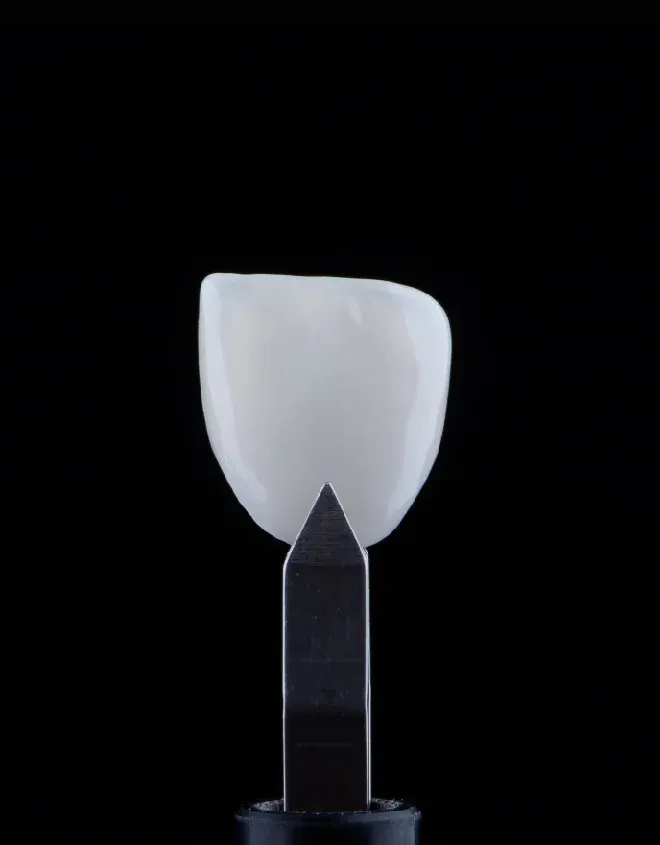
Dental veneers are thin, custom-made shells, most commonly crafted from porcelain or composite resin, that are bonded to the front surface of teeth. They're designed to change the color, shape, size, or surface appearance of one or more teeth, creating a more uniform and aesthetically pleasing smile.
Porcelain veneers are the most popular type of cosmetic dentistry. They closely mimic the light-reflecting properties of natural tooth enamel and are highly resistant to staining, making them a durable long-term option for many patients. Composite resin veneers are an alternative that can sometimes be applied in a single visit, though they tend to be less stain-resistant and may require more frequent replacement over time.
Many patients choose veneers because they provide a natural-looking enhancement while preserving much of the original tooth structure. When carefully planned and professionally placed, veneers can improve smile symmetry, boost confidence in social and professional settings, and create long-lasting cosmetic results that blend seamlessly with surrounding natural teeth.
Common Smile Concerns Veneers Can Address
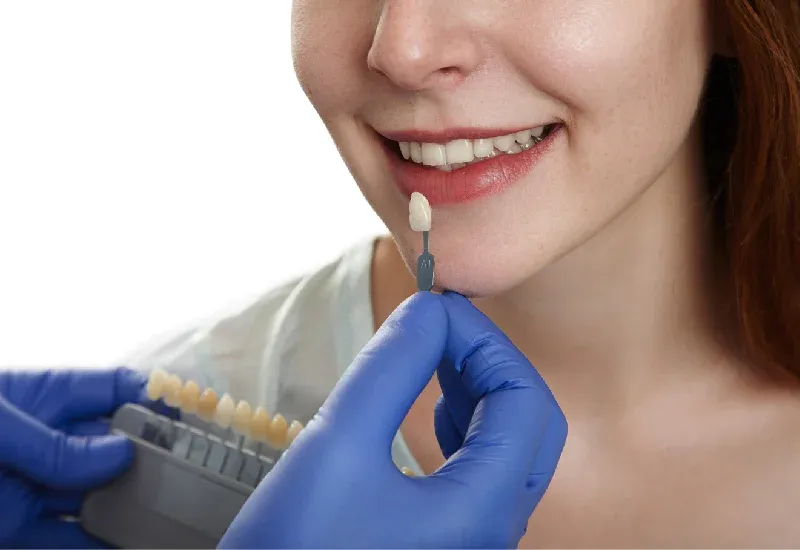
Veneers are a versatile cosmetic option. They are frequently used to improve the appearance of teeth that are discolored from staining or medications that affected enamel development, chipped or cracked in minor ways that don't compromise the tooth's structural health, slightly misaligned or uneven in shape or size, or have small gaps between them that create an uneven smile line.
It's worth noting that veneers are a cosmetic tool, not a structural one. They don't treat decay, gum disease, or significant damage because those underlying issues need to be addressed separately before veneers are considered.
Porcelain Veneers vs Composite Resin Veneers
| Feature | Porcelain Veneers | Composite Resin Veneers |
|---|---|---|
| Material | Dental-grade ceramic | Tooth-colored resin |
| Appearance | Highly natural, light-reflecting | Natural, though less translucent |
| Durability | 10–20 years with proper care | 5–8 years on average |
| Stain resistance | High | Moderate |
| Number of visits | Typically 2–3 | Often 1–2 |
| Tooth preparation | Minor enamel removal usually required | Less or no removal in some cases |
| Reversibility | Generally not reversible | More conservative options available |
| Cost | Higher | Lower |
The Dental Veneer Process: What to Expect
The veneer process generally begins with a consultation during which your dentist evaluates your teeth and discusses your aesthetic goals. X-rays may be taken to assess the health of your teeth and gums, and a treatment plan is developed.
If porcelain veneers are the selected approach, a small amount of enamel is typically removed from the front surface of the teeth being treated. This is usually less than a millimeter, but because enamel doesn't regenerate, this step makes the process essentially permanent. Impressions or digital scans of your teeth are then sent to a dental laboratory where the veneers are custom fabricated. Temporary veneers may be placed in the interim. At a follow-up appointment, the finished veneers are bonded to your teeth using a specialized dental adhesive and a curing light.
How Long Do Veneers Last?
Porcelain veneers, with proper care, commonly last between 10 and 20 years. Composite veneers have a shorter lifespan, typically five to eight years. The longevity of either type depends significantly on how well they're cared for. Regular brushing with non-abrasive toothpaste, flossing, avoiding habits like nail-biting or chewing on hard objects, and attending routine dental cleanings all contribute to preserving veneer results.

"According to clinical data, porcelain veneers have a reported survival rate of approximately 93% at 10 years when placed on structurally healthy teeth with good maintenance practices," according to the Journal of Prosthetic Dentistry reported in peer-reviewed dental literature.
FAQ
Still have a Question? Contact Us
Placing porcelain veneers typically involves removing a thin layer of enamel. While this is a minimal and controlled process, it does mean the procedure is generally irreversible.
Most patients experience little to no discomfort during the veneer process. Local anesthesia may be used during the enamel preparation step if needed.
Porcelain veneers resist staining but cannot be whitened with conventional teeth whitening products. Replacement is required if discoloration becomes noticeable.
Brush twice daily with a soft-bristled toothbrush and non-abrasive toothpaste, floss daily, and attend regular dental check-ups. Avoid biting into very hard foods with the veneered teeth.
Veneers cover only the front surface of a tooth and are primarily cosmetic. Crowns encase the entire tooth and are typically used when structural restoration is needed
Conclusion
Dental veneers offer a well-established path to improving the appearance of teeth that are discolored, chipped, uneven, or have small gaps. Whether porcelain or composite, they are crafted to blend naturally with surrounding teeth and deliver results that are both aesthetically meaningful and lasting when properly maintained.
If you're considering veneers, a detailed consultation with a qualified dentist is the logical first step. Understanding your specific situation, including the health of your teeth, your cosmetic goals, and your lifestyle, will shape the recommendation that's right for you. A beautiful smile is worth exploring thoughtfully.
Contact your Dentist today in Concord CA, Dr. Azadeh Hosseini, at Top Concord Dental, to learn more about Dental Veneers and Their Role in Smile Enhancement.
This article is informational only and is not intended as dental advice. Please consult a licensed dental professional for a personalized assessment.
Resource:
7 Reasons Teeth Whitening Is One of the Most Popular Cosmetic Treatments
Disclaimer
This media/content or any other on this website does not prescribe, recommend, or prevent any treatment or procedure. Therefore, we highly recommend that you get the advice of a qualified dentist or other medical practitioners regarding your specific dental condition.